International Affairs Correspondent
Jerusalem | July 10, 2026
Israel has issued one of its strongest warnings yet to Iran, saying it is prepared to respond “with greater force” if Tehran continues military actions against Israeli territory or its strategic allies, signaling a potentially dangerous new phase in the ongoing regional confrontation involving Iran, Israel and the United States.
The warning follows a series of military exchanges that have heightened fears of a broader conflict across the Middle East. Israeli officials said the country’s defense forces remain on heightened alert and have prepared additional operational plans should Iran expand its missile or drone attacks.
Israeli leaders stressed that protecting national security remains their highest priority, adding that any future attacks originating from Iran or its regional proxies would be met with a more decisive military response. While officials did not specify what actions could be taken, the statement has fueled concerns that another round of large-scale strikes could follow if diplomatic efforts fail.
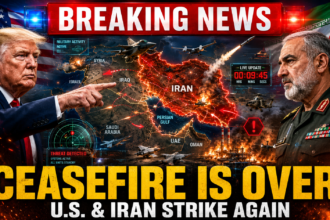
The latest developments come after recent U.S. military operations targeted Iranian military infrastructure following attacks linked to Iran-backed groups on regional security assets and commercial shipping routes. Tehran has since accused Washington and its allies of escalating the conflict while continuing to defend what it describes as its sovereign interests.
The renewed exchange of military threats has also drawn attention to the Strait of Hormuz, one of the world’s most strategically important maritime corridors. Roughly a fifth of global oil supplies pass through the narrow waterway, making any disruption a significant concern for international energy markets. Analysts warn that prolonged instability could trigger higher crude oil prices, increased shipping costs and renewed volatility across global financial markets.
Governments across Europe, the Gulf and Asia have urged restraint, warning that additional military escalation could destabilize the broader region. Diplomatic channels remain active, with several countries continuing behind-the-scenes efforts to prevent further confrontation between the rival powers.
Security analysts caution that the coming days will be critical. Any fresh missile strikes, retaliatory operations or attacks involving regional proxy groups could quickly transform the current standoff into a wider regional conflict with global economic and security implications.
For now, military preparedness and diplomatic negotiations continue side by side, but the increasingly sharp rhetoric from both Israel and Iran suggests the crisis remains far from over.